Essential Budgeting Cover Investments
Understanding Insurance: How to Safeguard Your Wealth and Tomorrow
Understanding insurance is vital for everyone looking to protect their financial future. It provides a safety net against unexpected events which might result in major financial setbacks. A wide range of coverage options exists, suited to various individual necessities. However, many individuals struggle with determining the right amount of coverage or understanding the fine print of the agreement. The complexities of insurance often lead to confusion, requiring a more transparent view of the most effective way to secure assets. What should one consider prior to finalizing their choice?
Fundamental Insurance Concepts: Essential Information
Insurance serves as a financial safety net, protecting individuals and businesses from unanticipated hazards. Insurance is primarily a covenant connecting the policyholder and the provider, in which the policyholder remits a fee in exchange for financial coverage against specific losses or damages. The essence of insurance lies in risk management, letting policyholders pass on the weight of possible monetary damage onto a provider.
The policies specify the related content requirements and provisions, detailing what is covered, which situations are not covered, along with the process for submitting claims. The concept of pooling resources is central to insurance; many pay into the system, allowing for the funding of claims to those who incur damages. Knowing the fundamental terms and rules is essential for making informed decisions. In sum, coverage aims to offer security, making certain that, when disaster strikes, individuals and businesses can recover and move forward successfully.
Types of Insurance: A Comprehensive Overview
Many different kinds of insurance exist to cater to the diverse needs of individuals and businesses. The most popular types include health coverage, which covers medical expenses; car coverage, guarding against damage to vehicles; and homeowners insurance, safeguarding property against risks like fire and theft. Life insurance offers financial security to recipients upon the death of the policyholder, whereas income protection offers salary substitution should the individual be incapacitated.
In the corporate sector, liability coverage guards from accusations of wrongdoing, and asset insurance secures physical holdings. PLI, frequently referred to as E&O insurance, shields professionals against claims resulting from mistakes in their services. In addition, travel insurance provides coverage for unexpected events during trips. Each type of insurance plays an essential role in managing risks, helping people and companies to reduce possible monetary damages and ensure stability during unpredictable times.
Evaluating Your Coverage Requirements: How Much Coverage Is Enough?
Establishing the correct amount of necessary protection demands a thorough assessment of the worth of assets and likely hazards. One should review their financial situation and the property they want to safeguard to reach a sufficient level of coverage. Good strategies for assessing risk are crucial for ensuring that one is neither underinsured nor paying extra for needless protection.
Determining Property Value
Determining asset valuation is a necessary phase for understanding how much coverage is necessary for sound insurance safeguarding. This process involves establishing the price of personal property, land and buildings, and investment portfolios. Property owners must evaluate factors such as today's market situation, reconstruction expenses, and asset decline when appraising their property. Moreover, people need to assess physical items, cars and trucks, and any liability risks associated with their assets. Through creating a comprehensive list and appraisal, they may discover potential gaps in coverage. Moreover, this evaluation helps individuals tailor their insurance policies to suit unique requirements, ensuring adequate protection against unforeseen events. In the end, accurately evaluating asset value forms the basis for prudent insurance planning and monetary stability.
Risk Management Techniques

Developing a full knowledge of asset worth logically progresses to the following stage: evaluating insurance needs. Risk assessment strategies involve identifying potential risks and establishing the necessary amount of protection needed to lessen those hazards. The procedure starts with a full accounting of property, including homes and land, vehicles, and private possessions, coupled with a review of possible debts. The person needs to evaluate elements like where they live, lifestyle, and industry-specific risks that could influence their insurance needs. In addition, examining current policies and finding coverage deficiencies is necessary. By measuring potential risks and aligning them with the value of assets, one can make informed decisions about the required insurance type and quantity to safeguard their future effectively.
Understanding Policy Terms: Essential Ideas Clarified
Knowing the policy provisions is crucial for navigating the intricacies of insurance. Key concepts such as types of coverage, premiums, deductibles, policy limits, and restrictions play significant roles in determining the effectiveness of a policy. A solid understanding of these terms helps individuals make informed decisions when selecting insurance options.
Types of Coverage Defined
Insurance plans include a variety of coverage types, each designed to address specific risks and needs. Typical categories involve liability coverage, which shields from legal action; property coverage, protecting physical possessions; and coverage for personal injury, which addresses injuries sustained by others on your property. Moreover, broad coverage provides security against a broad spectrum of dangers, like natural catastrophes and stealing. Specific insurance types, such as professional liability for businesses and health insurance for individuals, adjust the security provided. Knowing these coverages assists clients in selecting appropriate protection based on their specific situations, guaranteeing sufficient security against possible monetary damages. Each form of protection is essential in a comprehensive coverage plan, finally resulting in monetary safety and serenity.
Premiums and Deductibles
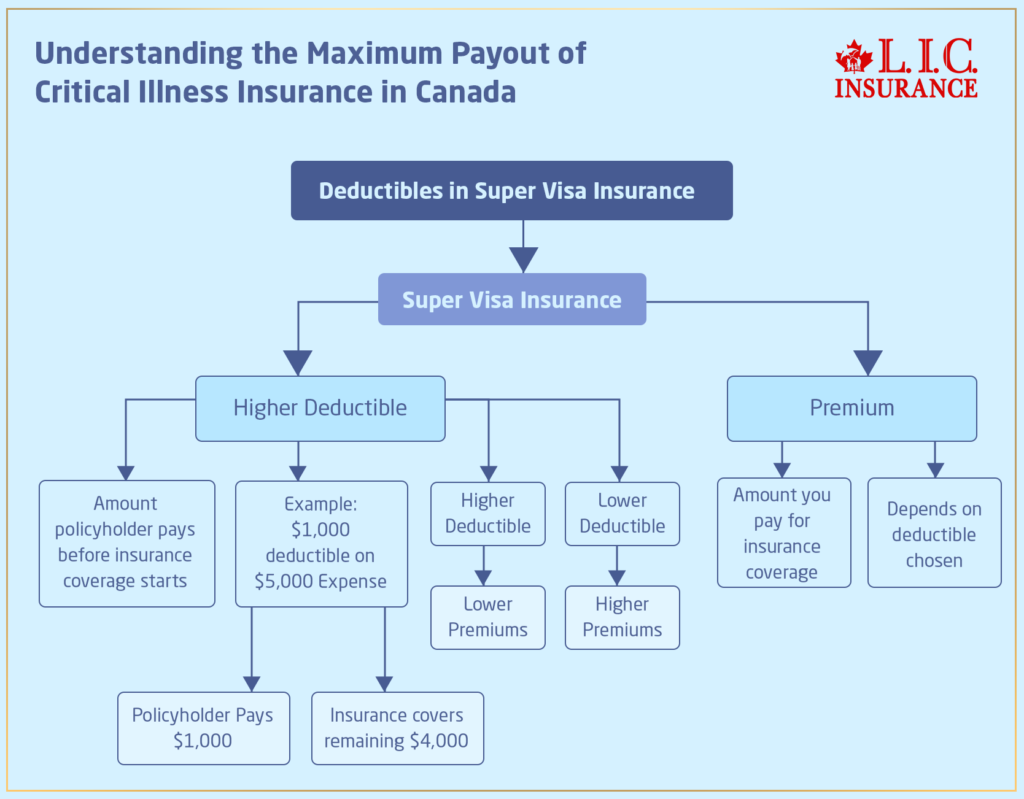
Selecting the right coverage types is only part of the insurance equation; the financial components of premiums and deductibles significantly impact coverage choices. Premiums represent the cost of maintaining an insurance policy, generally paid on an annual or monthly basis. A higher premium often correlates with more extensive coverage or lower deductibles. In contrast, deductibles are the figures clients are required to pay themselves before their coverage begins to apply. Choosing a higher deductible may reduce the price of the premium, but it could result in more fiscal liability during claims. Understanding the balance between these two elements is essential for individuals seeking to secure their holdings while controlling their spending wisely. Ultimately, the interaction of deductibles and premiums determines the true worth of an insurance policy.
Limitations and Exclusions
What are the key factors that can limit the effectiveness of an insurance policy? Exclusions and limitations within a policy specify the conditions under which coverage is unavailable. Standard exclusions include prior medical issues, acts of war, and specific natural catastrophes. Restrictions can also pertain to maximum payout figures, necessitating that policyholders grasp these restrictions completely. These elements can significantly impact claims, as they specify what damages or losses will not be compensated. Insured parties need to review their insurance contracts closely to find these restrictions, so they are well aware about the extent of their coverage. Proper understanding of these terms is vital for safeguarding assets and future financial planning.
Filing a Claim: What to Expect When Filing
Making a claim can often be confusing, especially for those unfamiliar with the process. The initial step typically is to alert the insurance company of the incident. This can usually be done through a phone call or online portal. When the claim is submitted, an adjuster may be assigned to assess the situation. This adjuster will review the details, gather necessary documentation, and may even inspect the location of the event.
Following the evaluation, the insurer will verify the authenticity of the claim and the payout amount, based on the contract stipulations. Claimants should expect to provide supporting evidence, such as documentation or images, to facilitate this evaluation. Staying in touch is vital throughout this process; you may have to contact with the insurer for updates. Ultimately, understanding the claims process helps policyholders navigate their rights and responsibilities, making sure they get the payment they deserve in a timely manner.
How to Pick the Right Insurance Provider
How do you go about finding the best insurance provider for their circumstances? To begin, individuals should assess their specific requirements, looking at aspects such as coverage types and financial limitations. Meticulous investigation is necessary; online reviews, evaluations, and customer stories can provide a view into customer satisfaction and service quality. Furthermore, soliciting pricing from various companies enables comparisons of premiums and policy details.
It's wise to check the economic strength and credibility of potential insurers, as this can affect their capacity to fulfill claims. Speaking directly to representatives can make the terms and conditions of the policy clearer, guaranteeing openness. In addition, seeing if any price reductions apply or combined offerings can enhance the overall value. Finally, seeking recommendations from trusted friends or family may result in finding reliable options. By following these steps, people are able to choose wisely that align with their insurance needs and budgetary aims.
Keeping Updated: Keeping Your Coverage Up to Date
After picking the best coverage company, individuals must remain proactive about their coverage to ensure it satisfies their shifting necessities. Periodically examining the coverage details is necessary, as major life events—such as marriage, buying a house, or professional transitions—can affect what coverage is needed. Policyholders must plan annual reviews with their insurance agents to review possible modifications based on these personal milestones.
Additionally, remaining aware of industry trends and changes in insurance regulations can offer useful information. This awareness could point to new insurance possibilities or savings that could make their policies better.
Keeping an eye on the market for better prices may also lead to more cost-effective solutions without compromising security.
Commonly Asked Questions
How Do Insurance Premiums Vary With Age and Location?
Insurance premiums generally go up based on age due to increased risks associated with senior policyholders. Furthermore, geographic area influences costs, as metropolitan regions tend to charge more due to a greater likelihood of accidents and crime compared to rural regions.
Am I allowed to alter My Insurance Provider during the policy term?
Certainly, policyholders may alter their coverage provider mid-term, but they must review the terms of their present plan and ensure new protection is secured to prevent periods without insurance or associated charges.
What Happens if I Miss a insurance installment?
Should a person fail to make a scheduled installment, their protection could cease, resulting in a possible lack of coverage. The coverage might be reinstated, but it might demand retroactive payments and might incur fees or more expensive coverage.
Will existing health problems be covered in medical policies?
Pre-existing conditions may be covered in health plans, but the extent of protection differs per policy. A lot of companies require waiting periods or limitations, while others may provide immediate coverage, stressing that policy details must be examined completely.
How Do Deductibles Affect My Insurance Costs?
Deductibles affect the price of insurance by determining the amount a policyholder must pay out-of-pocket before coverage kicks in. A larger deductible generally means reduced monthly payments, and a smaller deductible causes higher payments and potentially less out-of-pocket expense.